

Get the Right Tires for Your Chevy Tahoe
Your tires are crucial to the performance and safety of your vehicle. Not only must your tires be in good condition to perform as intended, but they must also be the right tires to begin with. If you drive a Chevy Tahoe, you have several considerations to make when shopping for new tires. Use this guide to help you find the right ones.
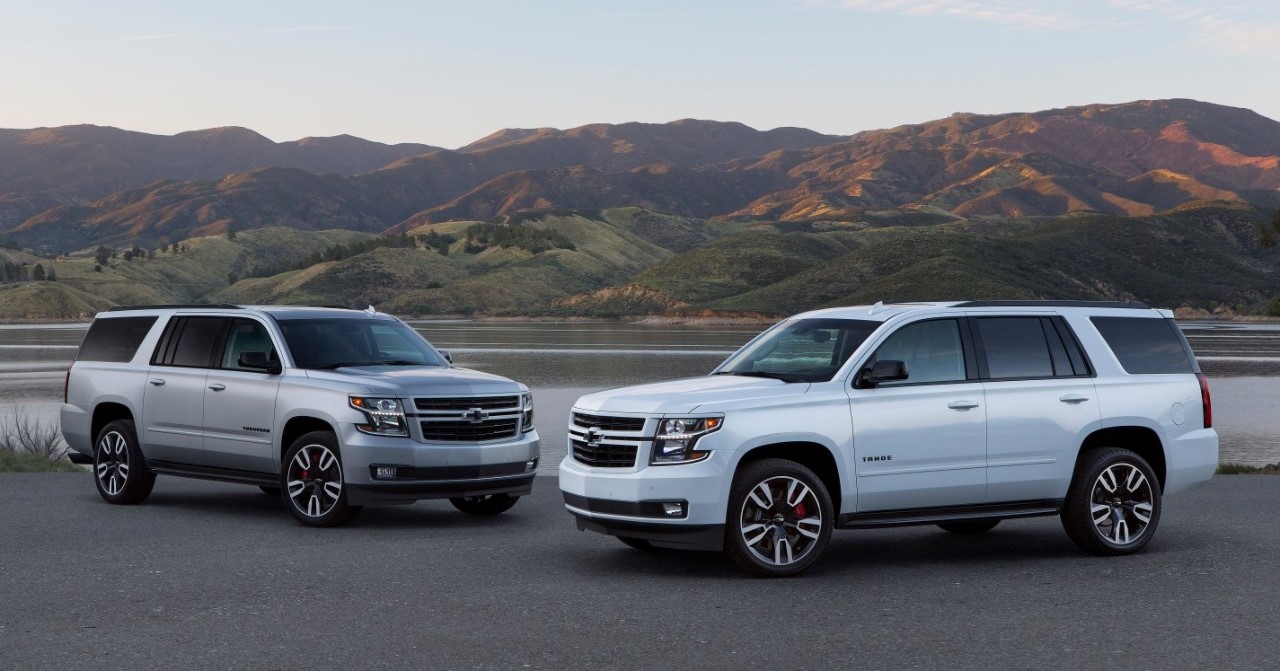
Chevy Tahoe Tire Sizes
When determining what size tires you need, it’s important to understand that every year and trim has different wheel sizes available. You must have this information on hand to help you purchase the right tires.
The most recent generation of Chevy Tahoe includes models from 2015 to 2020. Almost every model year in this generation has had the same wheel sizes and tire options, so as long as your car was manufactured during that timeframe, this guide will be useful for you.
Along with the model year, you also need to know your Tahoe’s trim, which includes LS, LT, LTZ, and Premier. Here’s a breakdown of your wheel size options based on trim:
- The LS and LT trims may have 18-inch, 20-inch, or 22-inch wheels. (The 2016 LS model only comes with 18-inch and 22-inch wheels.)
- The LTZ trim for 2015 and 2016 may have 20-inch or 22-inch wheels.
- The LTZ trim was renamed “Premier” for 2017 through 2020 model years, but the wheel size options remain the same—20-inch or 22-inch.
Once you know your Tahoe’s wheel size, you can buy the right tires to match:
- If you have 18-inch wheels, you need 265/65R18 tires.
- If you have 20-inch wheels, you need 275/55R20 tires.
- If you have 22-inch wheels, you need 285/45R22 tires.
If you’re replacing your existing tires, look for the tire size code on the sidewall. Technically, you don’t need to understand the meaning behind the code, but knowing what tires you need and why can empower your shopping experience.
A typical tire size code might read like this: “P265/65R18.”
- P: The first letter is always a P on passenger vehicles, so retailers that only sell tires to consumers (rather than commercial drivers) sometimes leave the P off.
- 265: The first set of numbers indicates the width of the tire from one sidewall to the other in millimeters.
- 65: The number after the slash is the ratio of the sidewall’s height to the tire’s width, in millimeters. In this case, the height of the sidewall is 65 percent of the tire’s width.
- R: The second letter indicates the type of construction. Virtually all consumer tires have radial construction, so you’ll almost always see an R in this spot.
- 18: The last number is the most important of all when shopping for new tires because it tells you the wheel size. In this example, the tire is compatible with 18-inch wheels.
Tire Load Index & Speed Rating
When reading the code on your existing tires, you may notice two or three additional digits and a letter following the size code, such as 112T or 114S. This is the load index and speed rating.
The higher the load index, the greater the tire’s carrying capacity is. 112 (2,469-pound weight limit) and 114 (2,601-pound weight limit) are the most common load indexes for Chevy Tahoe tires.
New tires are also rated based on what speeds they can endure. Tires for the Chevy Tahoe are usually rated S (up to 112 mph) or T (up to 118 mph) with the occasional H (130 mph) or Y (186 mph).
The load index and speed rating aren’t critical components when shopping for new tires unless you plan to push your Chevy Tahoe to the limits. Still, it’s useful information to know.
Best Type of Tires for the Chevy Tahoe
It’s important to buy tires that fit the uses you have in mind. All-season is the most common and popular type of tire, and with good reason. As the name suggests, all-season tires are designed to provide good handling and control in a wide range of weather conditions. You can get away with leaving these tires on your Chevy all year round.
However, it may be wise to switch out all-season tires for winter tires when the weather turns cold. This makes it easier to traverse icy, snow-packed roads, which is especially beneficial if you plan to do a lot of mountain driving.
If you opt for winter tires, you may want to balance them with summer tires, which perform best in warm, dry conditions. This ensures the safest, most pleasing driving experience based on the road conditions at certain times of the year.
When To Replace Your Chevy’s Tires
Inspect your tires regularly for signs of damage or wear. Cracked, bulging, or blistering sidewalls signal that it’s time to replace your tires. However, worn-out tread is the most common indicator that you need new tires. Check your tread often to make sure your tires aren’t bald.
The penny test is the easiest method for doing this. Insert a penny head-down into your tire’s grooves. If you can see the top of Lincoln’s head, that means the tread is less than 2/32 of an inch deep, and you should replace your tires as soon as possible.
Don’t have a penny on hand? Look for tread wear bars on your tires. These raised bands are precisely 2/32 of an inch tall, so once they sit flush with the rest of the tread, you know it’s time to go tire shopping.
Find New Tires With Our Tire Finder Tool
If you’re looking for quality tires in Baltimore, Jerry’s Chevrolet can meet your needs. We have a huge selection of Chevy Tahoe tires that you can browse through using our Tire Finder Tool. Once you select your new tires, our Certified Service expert technicians can install them quickly and correctly.
If you still have questions, or you’re ready to schedule a service appointment, please contact Jerry’s Chevrolet in Baltimore today.