Safe Towing for Your Torrance Holiday Getaway: Essential Tips
Getting ready for a holiday road trip around Torrance or planning a quick getaway to the nearby scenic spots like Palos Verdes or the San Bernardino Mountains? Towing safely is key to ensuring your trip goes smoothly, whether you're hauling a trailer for a weekend escape or packing up gear for a family camping adventure. Towing isn’t just about hitching up and hitting the road; it’s about knowing your vehicle’s capacity, understanding how to properly load your trailer, and making sure your Chevy is in top condition to handle the extra weight. From ensuring your tires are ready for the added load to double-checking brake lights, each detail can make a world of difference when it comes to safety and ease of travel.
Safe Towing for Your Torrance Holiday Getaway: Essential Tips
When it comes to towing, there are many factors to consider to ensure you have a safe and successful experience. Whether you're hauling a trailer for a weekend getaway or towing a boat to your favorite lakeside spot, understanding the basics of towing is essential. From selecting the right vehicle and equipment to mastering driving techniques, this guide will cover everything you need to know to become confident when towing.
Engine Power and Drivetrain Considerations
The most important aspect of towing is making sure that your vehicle has the proper towing capacity for the job. Every vehicle has a maximum towing capacity, which is the most weight it can safely tow. This specification is set by the manufacturer and is listed in your vehicle's owner's manual. If you exceed the towing capacity, you run the risk of damaging your vehicle or even causing an accident.
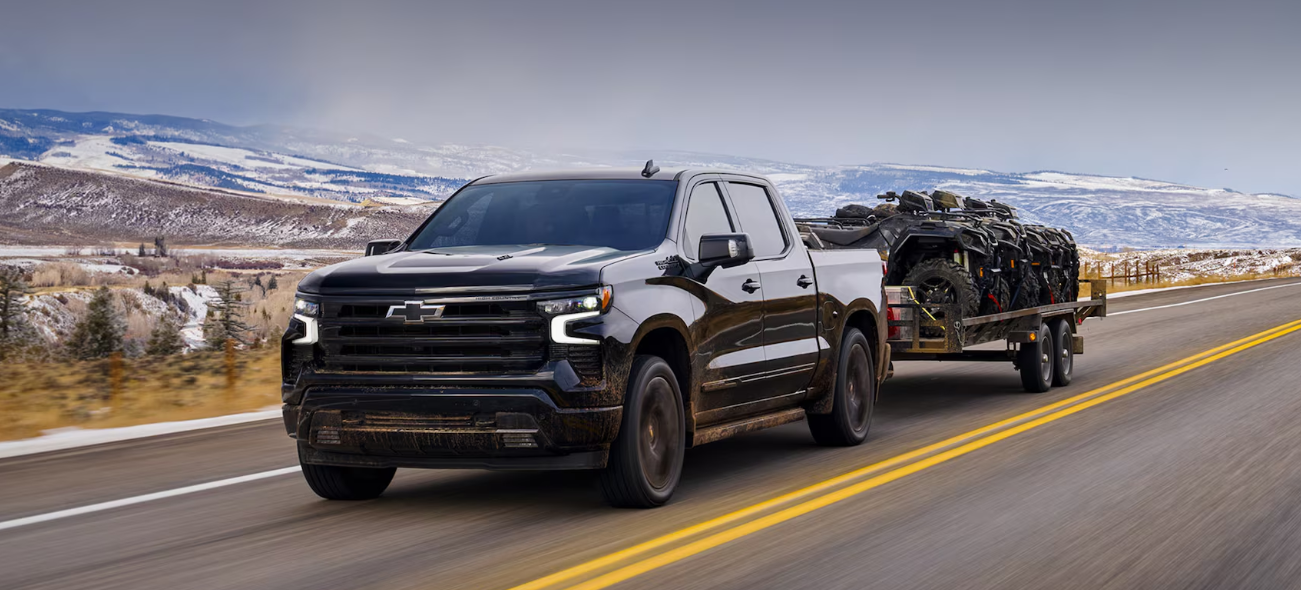
When considering towing capacity, you’ll need to know the weight of the trailer, the cargo you’ll be hauling, and any additional items you may carry inside your vehicle. These factors combine to make up the "gross combined weight rating" (GCWR), which represents the total weight of the vehicle and trailer. Vehicles like full-sized pickup trucks, such as the Chevrolet Silverado, are popular for their powerful towing capabilities and rugged construction, making them excellent choices for heavier loads.
Not all vehicles are built the same when it comes to towing. In addition to towing capacity, engine size and type are crucial considerations. Vehicles with larger engines or turbocharged options generally provide more torque, which is essential for hauling heavy loads. A diesel engine is often preferred for serious towing because diesel engines produce higher torque at lower RPMs, which is ideal for pulling a heavy trailer. The drivetrain of your vehicle is another key consideration. Four-wheel-drive (4WD) or all-wheel-drive (AWD) systems are typically more effective in difficult terrain or weather conditions. Rear-wheel-drive vehicles are often preferred for towing because the rear axle is more durable for carrying heavier loads, but for more traction in slippery conditions, 4WD can be indispensable.
Equipment for Towing
Selecting the right hitch for your vehicle is just as important as ensuring it has the towing capacity for the job. There are various types of hitches, each suited to different towing needs. A Class I hitch is typically suited for light loads, such as a small utility trailer, while a Class V hitch is for the heaviest loads, including large boats or travel trailers.
One popular type of hitch is the "weight-distribution hitch," which evenly distributes the weight between the vehicle and trailer, ensuring more control when driving. In contrast, a fifth-wheel hitch is designed for towing large trailers like RVs and is mounted in the truck bed for better stability.
Trailer types vary based on what you’re towing. Flatbed trailers, cargo trailers, and travel trailers are common options. Each type requires different equipment and considerations, including lighting, braking systems, and load distribution.
Safety chains are a critical element of towing equipment. They act as a backup if the trailer detaches from the vehicle, ensuring that it stays connected to the tow vehicle. It’s important to cross the chains under the trailer hitch, which will catch the tongue of the trailer if it detaches, preventing it from hitting the road. Another crucial consideration is the trailer braking system. Many states require trailers over a certain weight to have their own braking system. Trailer brakes can be hydraulic or electric, with electric brakes being more common in modern trailers. The trailer brake controller in the tow vehicle allows the driver to control the braking power of the trailer, which improves stopping distances and safety.
Loading and Weight Distribution
How you load your trailer has a significant impact on how well it tows. The key to safe towing is distributing the weight evenly. The general rule is to load 60% of the trailer's weight in the front half and 40% in the back. This helps prevent trailer sway, which occurs when the trailer begins to swing from side to side and can cause you to lose control of your vehicle. If you’re towing a boat, ATV, or other unevenly weighted objects, it’s important to ensure that the heaviest part of the load is over the axles to maintain balance. You should also secure your load with heavy-duty straps or chains to prevent movement during transit.
The tongue weight is the downward force that the tongue of the trailer applies to the hitch. If the tongue weight is too light, the trailer is more likely to sway. Conversely, if the tongue weight is too heavy, it can cause the rear of your vehicle to sag, reducing steering control and braking ability. As a rule of thumb, the tongue weight should be about 10-15% of the total trailer weight.
In addition to the tongue weight, the center of gravity plays an essential role in how well your trailer handles. A low center of gravity is preferable because it helps stabilize the trailer and reduces the risk of rollover. This is particularly important when towing large, tall loads like RVs or horse trailers.
Driving and Handling Tips for Safe Towing
When towing, your driving habits need to change to account for the additional weight and length of your vehicle and trailer. One of the most important things to remember is that your stopping distance will increase. You’ll need to maintain a greater following distance between you and the vehicle in front of you. Additionally, it’s essential to brake gently and early to prevent the trailer from pushing the tow vehicle.
Cornering while towing requires special attention as well. Trailers do not follow the same path as the tow vehicle; they cut corners more sharply. To prevent hitting curbs or other obstacles, you should take wide turns and ensure there’s enough room for the trailer to clear the corner.
Trailer sway is one of the most dangerous situations a driver can face when towing. Sway can be caused by improper loading, high winds, or excessive speed. If your trailer begins to sway, the best course of action is to remain calm, reduce your speed gradually by taking your foot off the accelerator, and avoid sudden steering movements. Many modern vehicles come equipped with trailer sway control, which automatically adjusts the brakes and engine power to reduce sway.
Uphill driving can also pose challenges when towing. The additional weight can put a strain on your engine, causing it to overheat if not properly managed. It’s important to shift to a lower gear when climbing hills to avoid overworking the engine. At the same time, descending hills requires careful braking. You should downshift to maintain control and prevent your brakes from overheating.
Legal and Safety Regulations for Towing
Each state has different towing regulations that drivers must adhere to. These laws may dictate the maximum weight you can tow, the types of safety equipment required (such as trailer brakes or sway control), and the size of your trailer. It’s critical to be familiar with the regulations in the areas where you’ll be towing, as non-compliance can result in fines or worse, accidents. In addition to state laws, federal regulations may apply, particularly for commercial towing operations. For example, the Federal Motor Carrier Safety Administration (FMCSA) has guidelines regarding the maximum allowable weight for trailers and vehicles involved in interstate commerce.
Before embarking on a towing trip, conducting a safety inspection is essential. This includes checking your vehicle’s tire pressure, brake lights, turn signals, and ensuring the trailer’s hitch and chains are secure. Regular maintenance of your tow vehicle is also crucial, particularly the brakes, suspension, and transmission, which bear the extra strain of towing.
For heavier loads, you may need a special license to tow legally. Some states require a Commercial Driver’s License (CDL) for towing loads that exceed a certain weight threshold. It’s important to verify whether you need additional certifications before hitting the road with a large load.
Maintenance and Upkeep of Towing Vehicles
Towing puts additional stress on your vehicle, so regular maintenance is even more critical. One of the key areas to focus on is your vehicle’s cooling system. Towing increases the strain on your engine, causing it to run hotter than usual. Ensuring your radiator, coolant levels, and hoses are in good condition can prevent overheating during long towing trips. Additionally, your brakes will experience more wear when towing, so it’s important to regularly inspect them. Vehicles with towing packages often include upgraded brake systems designed to handle heavier loads. Regular brake pad replacements and fluid checks can help ensure your braking system performs optimally under the added weight.
In addition to maintaining your tow vehicle, the trailer itself requires upkeep. Inspect the trailer’s tires for signs of wear and ensure they are properly inflated before every trip. Check the suspension, brake lines, and electrical connections for any signs of damage or wear. Regular lubrication of the trailer hitch and moving parts can prevent rust and ensure smooth operation.
By keeping both your vehicle and trailer in top condition, you’ll minimize the risk of breakdowns and ensure a safer, more enjoyable towing experience
Towing Safely with Martin Chevrolet for Your Torrance Adventures
As you prepare to head out from Torrance for a holiday trip, it’s important to keep in mind a few essential towing tips to avoid any last-minute stress. Make sure your vehicle is properly equipped for the job, know the weight limits for your Chevy, and practice careful driving habits while towing through city streets or up mountain roads. Taking these simple steps will not only protect your vehicle but will also ensure a comfortable and stress-free trip for everyone. Whether you're heading toward the beaches or the mountains, safe towing allows you to focus on the journey and the fun holiday experiences waiting for you at your destination.
As the holidays approach and Torrance residents prepare for seasonal getaways to scenic locations like the Pacific Coast Highway or nearby mountain retreats, ensuring your vehicle is equipped for towing is crucial. At Martin Chevrolet, we understand the importance of being prepared when towing trailers, campers, or boats for your holiday adventures. Whether you’re heading out for a camping trip in the Angeles National Forest or driving up to Big Bear, towing safely ensures you can focus on enjoying your journey.
For those considering upgrading their current vehicle, we invite you to explore our New Inventory at Martin Chevrolet. Our team is here to assist you in finding the perfect vehicle for your holiday travel needs. If you're looking to trade in your current vehicle, don’t forget to Value your trade, and we can help get you pre-qualified with our simple Get pre-qualified for Financing process. Additionally, for those ready to ensure their vehicle is road-ready, you can Schedule a Service or take advantage of our Service specials before hitting the road. If a pre-owned vehicle is what you’re looking for, browse our Certified Pre-owned selection or view our Pre-owned inventory to find a reliable option.
Stop by our showroom today, explore our Special Offers, and let us help make your holiday road trip a memorable one.
Safe Towing for Your Torrance Holiday Getaway: Essential Tips
When it comes to towing, there are many factors to consider to ensure you have a safe and successful experience. Whether you're hauling a trailer for a weekend getaway or towing a boat to your favorite lakeside spot, understanding the basics of towing is essential. From selecting the right vehicle and equipment to mastering driving techniques, this guide will cover everything you need to know to become confident when towing.
Engine Power and Drivetrain Considerations
The most important aspect of towing is making sure that your vehicle has the proper towing capacity for the job. Every vehicle has a maximum towing capacity, which is the most weight it can safely tow. This specification is set by the manufacturer and is listed in your vehicle's owner's manual. If you exceed the towing capacity, you run the risk of damaging your vehicle or even causing an accident.
When considering towing capacity, you’ll need to know the weight of the trailer, the cargo you’ll be hauling, and any additional items you may carry inside your vehicle. These factors combine to make up the "gross combined weight rating" (GCWR), which represents the total weight of the vehicle and trailer. Vehicles like full-sized pickup trucks, such as the Chevrolet Silverado, are popular for their powerful towing capabilities and rugged construction, making them excellent choices for heavier loads.
Not all vehicles are built the same when it comes to towing. In addition to towing capacity, engine size and type are crucial considerations. Vehicles with larger engines or turbocharged options generally provide more torque, which is essential for hauling heavy loads. A diesel engine is often preferred for serious towing because diesel engines produce higher torque at lower RPMs, which is ideal for pulling a heavy trailer. The drivetrain of your vehicle is another key consideration. Four-wheel-drive (4WD) or all-wheel-drive (AWD) systems are typically more effective in difficult terrain or weather conditions. Rear-wheel-drive vehicles are often preferred for towing because the rear axle is more durable for carrying heavier loads, but for more traction in slippery conditions, 4WD can be indispensable.
Equipment for Towing
Selecting the right hitch for your vehicle is just as important as ensuring it has the towing capacity for the job. There are various types of hitches, each suited to different towing needs. A Class I hitch is typically suited for light loads, such as a small utility trailer, while a Class V hitch is for the heaviest loads, including large boats or travel trailers.
One popular type of hitch is the "weight-distribution hitch," which evenly distributes the weight between the vehicle and trailer, ensuring more control when driving. In contrast, a fifth-wheel hitch is designed for towing large trailers like RVs and is mounted in the truck bed for better stability.
Trailer types vary based on what you’re towing. Flatbed trailers, cargo trailers, and travel trailers are common options. Each type requires different equipment and considerations, including lighting, braking systems, and load distribution.
Safety chains are a critical element of towing equipment. They act as a backup if the trailer detaches from the vehicle, ensuring that it stays connected to the tow vehicle. It’s important to cross the chains under the trailer hitch, which will catch the tongue of the trailer if it detaches, preventing it from hitting the road. Another crucial consideration is the trailer braking system. Many states require trailers over a certain weight to have their own braking system. Trailer brakes can be hydraulic or electric, with electric brakes being more common in modern trailers. The trailer brake controller in the tow vehicle allows the driver to control the braking power of the trailer, which improves stopping distances and safety.
Loading and Weight Distribution
How you load your trailer has a significant impact on how well it tows. The key to safe towing is distributing the weight evenly. The general rule is to load 60% of the trailer's weight in the front half and 40% in the back. This helps prevent trailer sway, which occurs when the trailer begins to swing from side to side and can cause you to lose control of your vehicle. If you’re towing a boat, ATV, or other unevenly weighted objects, it’s important to ensure that the heaviest part of the load is over the axles to maintain balance. You should also secure your load with heavy-duty straps or chains to prevent movement during transit.
The tongue weight is the downward force that the tongue of the trailer applies to the hitch. If the tongue weight is too light, the trailer is more likely to sway. Conversely, if the tongue weight is too heavy, it can cause the rear of your vehicle to sag, reducing steering control and braking ability. As a rule of thumb, the tongue weight should be about 10-15% of the total trailer weight.
In addition to the tongue weight, the center of gravity plays an essential role in how well your trailer handles. A low center of gravity is preferable because it helps stabilize the trailer and reduces the risk of rollover. This is particularly important when towing large, tall loads like RVs or horse trailers.
Driving and Handling Tips for Safe Towing
When towing, your driving habits need to change to account for the additional weight and length of your vehicle and trailer. One of the most important things to remember is that your stopping distance will increase. You’ll need to maintain a greater following distance between you and the vehicle in front of you. Additionally, it’s essential to brake gently and early to prevent the trailer from pushing the tow vehicle.
Cornering while towing requires special attention as well. Trailers do not follow the same path as the tow vehicle; they cut corners more sharply. To prevent hitting curbs or other obstacles, you should take wide turns and ensure there’s enough room for the trailer to clear the corner.
Trailer sway is one of the most dangerous situations a driver can face when towing. Sway can be caused by improper loading, high winds, or excessive speed. If your trailer begins to sway, the best course of action is to remain calm, reduce your speed gradually by taking your foot off the accelerator, and avoid sudden steering movements. Many modern vehicles come equipped with trailer sway control, which automatically adjusts the brakes and engine power to reduce sway.
Uphill driving can also pose challenges when towing. The additional weight can put a strain on your engine, causing it to overheat if not properly managed. It’s important to shift to a lower gear when climbing hills to avoid overworking the engine. At the same time, descending hills requires careful braking. You should downshift to maintain control and prevent your brakes from overheating.
Legal and Safety Regulations for Towing
Each state has different towing regulations that drivers must adhere to. These laws may dictate the maximum weight you can tow, the types of safety equipment required (such as trailer brakes or sway control), and the size of your trailer. It’s critical to be familiar with the regulations in the areas where you’ll be towing, as non-compliance can result in fines or worse, accidents. In addition to state laws, federal regulations may apply, particularly for commercial towing operations. For example, the Federal Motor Carrier Safety Administration (FMCSA) has guidelines regarding the maximum allowable weight for trailers and vehicles involved in interstate commerce.
Before embarking on a towing trip, conducting a safety inspection is essential. This includes checking your vehicle’s tire pressure, brake lights, turn signals, and ensuring the trailer’s hitch and chains are secure. Regular maintenance of your tow vehicle is also crucial, particularly the brakes, suspension, and transmission, which bear the extra strain of towing.
For heavier loads, you may need a special license to tow legally. Some states require a Commercial Driver’s License (CDL) for towing loads that exceed a certain weight threshold. It’s important to verify whether you need additional certifications before hitting the road with a large load.
Maintenance and Upkeep of Towing Vehicles
Towing puts additional stress on your vehicle, so regular maintenance is even more critical. One of the key areas to focus on is your vehicle’s cooling system. Towing increases the strain on your engine, causing it to run hotter than usual. Ensuring your radiator, coolant levels, and hoses are in good condition can prevent overheating during long towing trips. Additionally, your brakes will experience more wear when towing, so it’s important to regularly inspect them. Vehicles with towing packages often include upgraded brake systems designed to handle heavier loads. Regular brake pad replacements and fluid checks can help ensure your braking system performs optimally under the added weight.
In addition to maintaining your tow vehicle, the trailer itself requires upkeep. Inspect the trailer’s tires for signs of wear and ensure they are properly inflated before every trip. Check the suspension, brake lines, and electrical connections for any signs of damage or wear. Regular lubrication of the trailer hitch and moving parts can prevent rust and ensure smooth operation.
By keeping both your vehicle and trailer in top condition, you’ll minimize the risk of breakdowns and ensure a safer, more enjoyable towing experience
Towing Safely with Martin Chevrolet for Your Torrance Adventures
As you prepare to head out from Torrance for a holiday trip, it’s important to keep in mind a few essential towing tips to avoid any last-minute stress. Make sure your vehicle is properly equipped for the job, know the weight limits for your Chevy, and practice careful driving habits while towing through city streets or up mountain roads. Taking these simple steps will not only protect your vehicle but will also ensure a comfortable and stress-free trip for everyone. Whether you're heading toward the beaches or the mountains, safe towing allows you to focus on the journey and the fun holiday experiences waiting for you at your destination.
As the holidays approach and Torrance residents prepare for seasonal getaways to scenic locations like the Pacific Coast Highway or nearby mountain retreats, ensuring your vehicle is equipped for towing is crucial. At Martin Chevrolet, we understand the importance of being prepared when towing trailers, campers, or boats for your holiday adventures. Whether you’re heading out for a camping trip in the Angeles National Forest or driving up to Big Bear, towing safely ensures you can focus on enjoying your journey.
For those considering upgrading their current vehicle, we invite you to explore our New Inventory at Martin Chevrolet. Our team is here to assist you in finding the perfect vehicle for your holiday travel needs. If you're looking to trade in your current vehicle, don’t forget to Value your trade, and we can help get you pre-qualified with our simple Get pre-qualified for Financing process. Additionally, for those ready to ensure their vehicle is road-ready, you can Schedule a Service or take advantage of our Service specials before hitting the road. If a pre-owned vehicle is what you’re looking for, browse our Certified Pre-owned selection or view our Pre-owned inventory to find a reliable option.
Stop by our showroom today, explore our Special Offers, and let us help make your holiday road trip a memorable one.